- JayStar Packaging(ShenZhen) LTD.
- jason@jsd-paper.com

Difference Between Mailer Box and Shipping Box: Wholesale Insights for Manufacturers
When I look at the difference between a mailer box and a shipping box, I see how each serves a unique purpose in the world of packaging. As a wholesaler, I've noticed that mailer boxes are perfect for retail products, offering a sleek design that enhances branding. On the other hand, shipping boxes are sturdy and designed to withstand the rigors of transportation, making them essential for bulk shipments. I source my boxes from leading manufacturers who understand the needs of B2B customers like us. Whether you're needing customized mailer boxes to impress clients or robust shipping boxes to ensure products arrive safely, I can help guide you. Both options can elevate your packaging strategy while meeting different requirements, ensuring optimal protection and presentation. Let’s connect and explore how these two types of boxes can fit into your business model seamlessly!
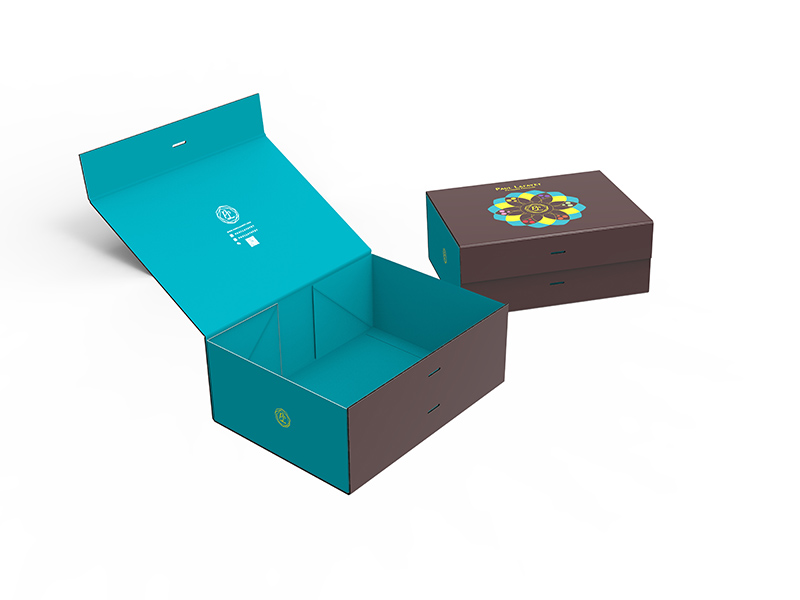
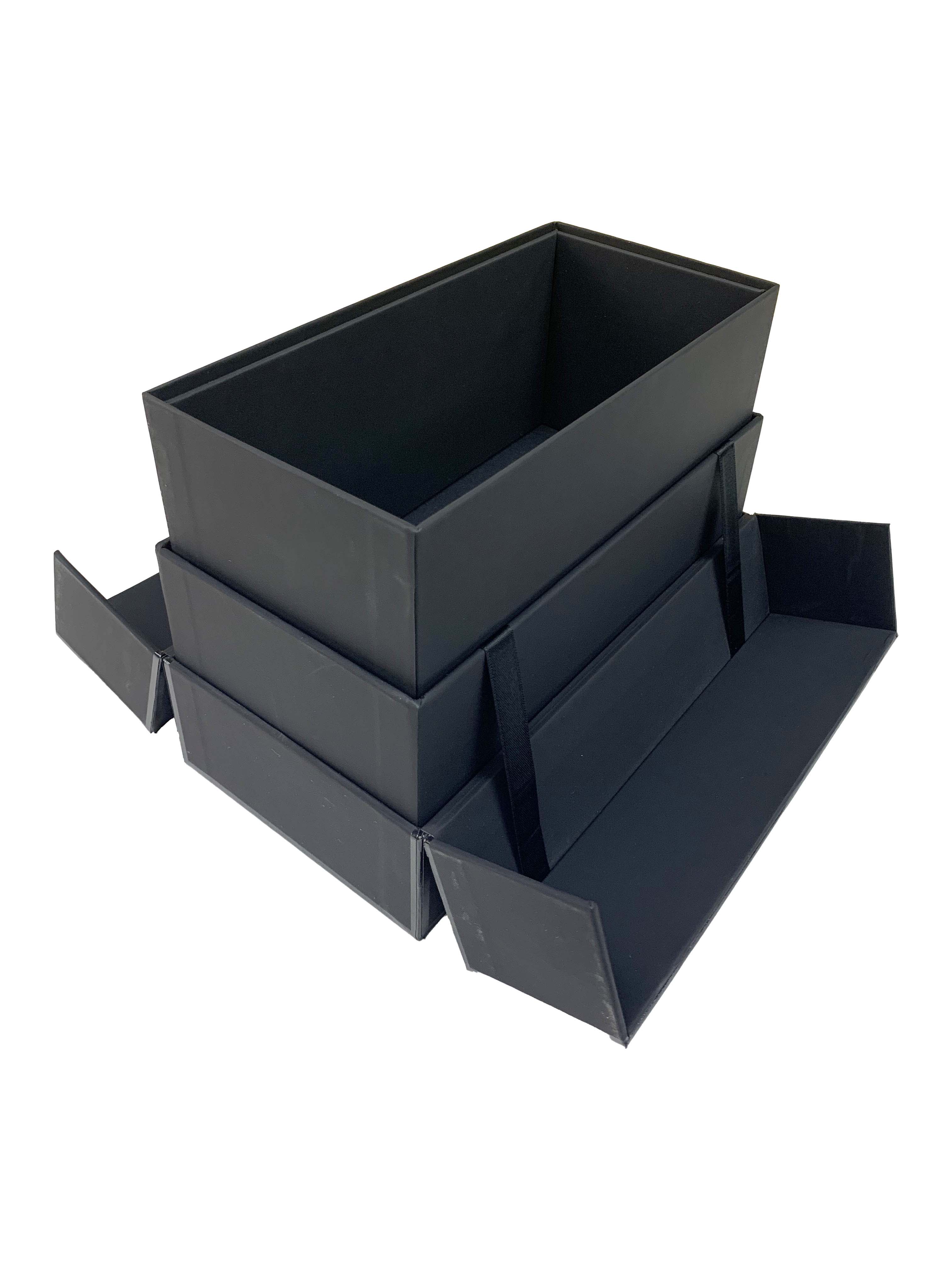


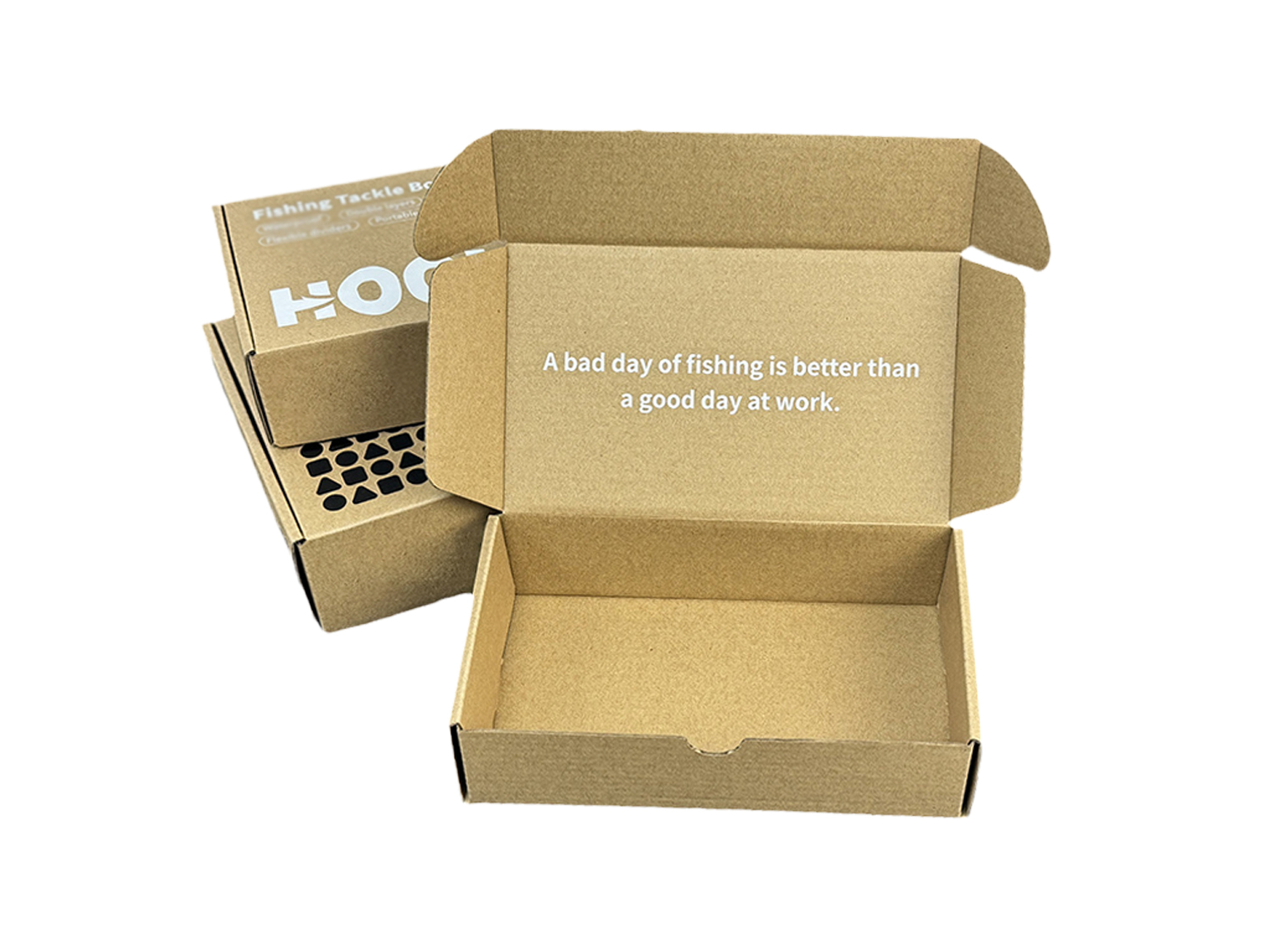
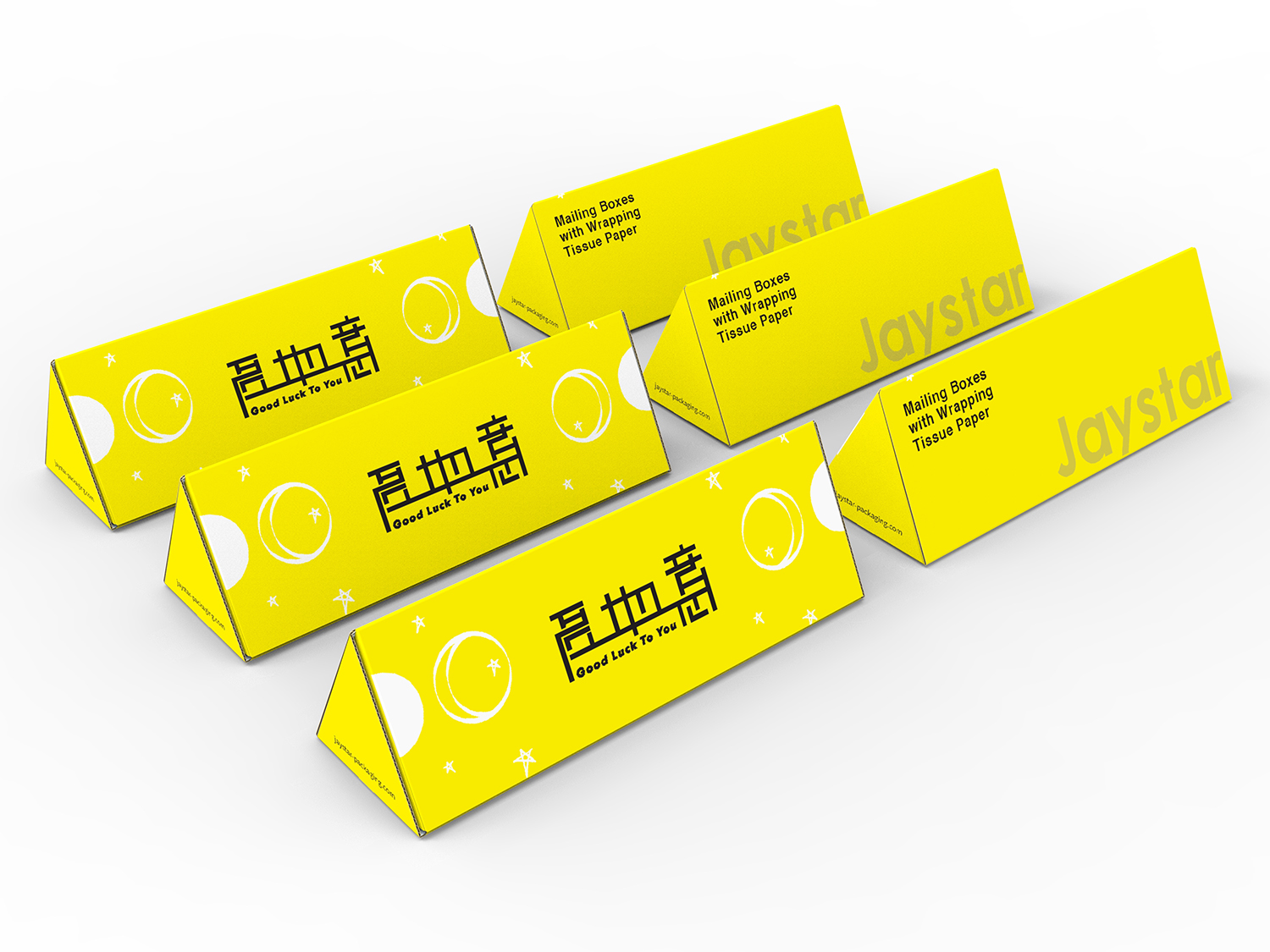
Difference Between Mailer Box And Shipping Box Products Your Trusted OEM Partner
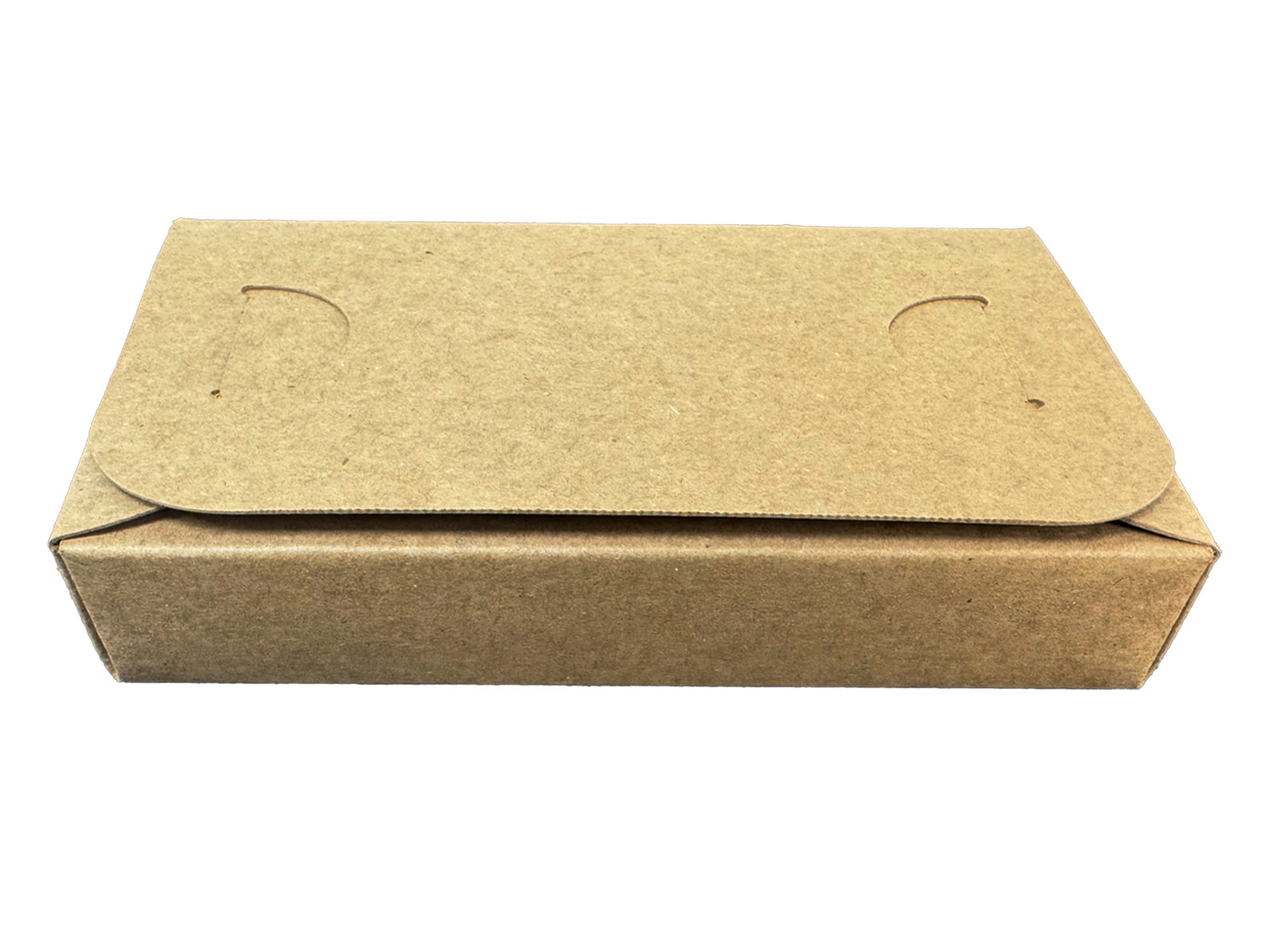
When selecting packaging solutions for your products, understanding the differences between mailer boxes and shipping boxes is crucial for your operational efficiency and customer satisfaction. Mailer boxes are typically lightweight, easy to assemble, and designed for flat-pack products, making them ideal for e-commerce shipments directly to consumers. Their aesthetic appeal and structural integrity ensure that your products are presented attractively while minimizing shipping costs. These boxes often come with custom branding options, allowing your company to create a memorable unboxing experience. On the other hand, shipping boxes are more robust and designed for heavier items or larger quantities of products. They provide enhanced protection during transit and are often used for bulk shipping or to accommodate a variety of product shapes and sizes. Shipping boxes usually focus more on strength rather than aesthetics, ensuring your products reach their destination without damage. Choosing the right type of box depends on your specific requirements, such as the nature of your products, shipping distances, and your target market. As your trusted OEM partner, it's essential to evaluate your packaging needs carefully. Both mailer and shipping boxes can be customized to meet your requirements, ensuring that your brand stands out while providing the protection your products deserve. By selecting the right type of packaging, you can enhance customer satisfaction, improve your brand's image, and ultimately drive sales.
Difference Between Mailer Box And Shipping Box Products Your Trusted OEM Partner
| Feature | Mailer Box | Shipping Box |
|---|---|---|
| Material | Corrugated cardboard, often lightweight | Heavy-duty cardboard or double-walled for strength |
| Design | Customizable, often colorful and branded | Functional design, focused on protection during transit |
| Usage | Ideal for retail and subscription boxes | Used for shipping products to customers |
| Cost | Generally lower due to lightweight materials | Higher due to durability requirements |
| Protection | Moderate, suitable for non-fragile items | High, designed to protect items during long transit |
| Sustainability | Often made from recyclable materials | Can be made from recycled content |
Related Products

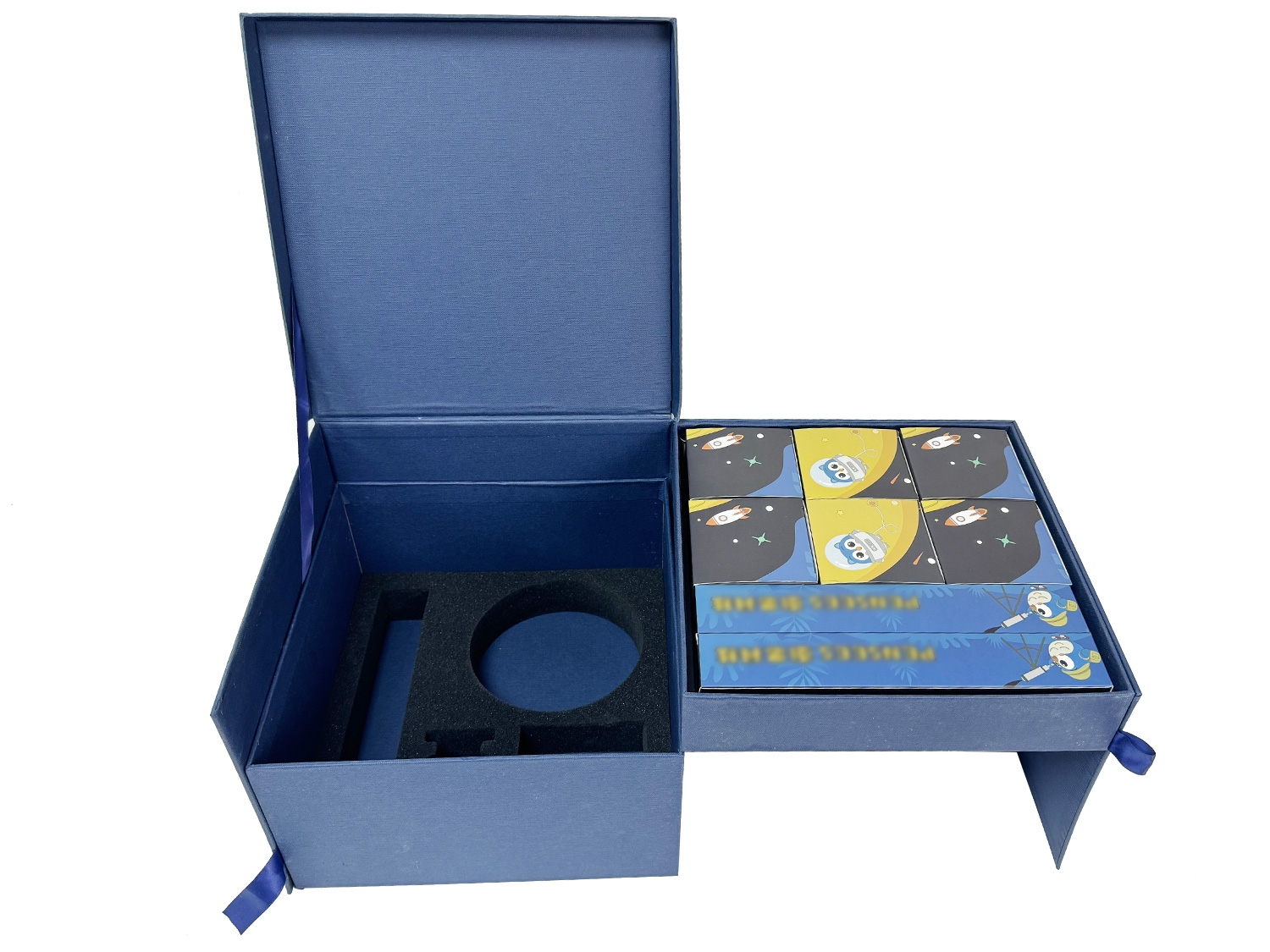

Difference Between Mailer Box And Shipping Box For the Current Year From Concept to Delivery
Top Selling Products


- Related Blog
- Reviews

-

Phone
-

E-mail
-

Whatsapp
-

WeChat

