As global brands continue to invest in product presentation, protective packaging, and brand recognition, color boxes have become more than simple containers. For cosmetics, electronics, consumer goods, apparel accessories, and gift products, well-designed paper packaging helps communicate brand value while meeting practical requirements for storage, transportation, and retail display.
China has an established paper manufacturing, printing, packaging, and supply chain ecosystem. This enables packaging manufacturers to support international buyers with customized solutions ranging from structural design and prepress preparation to mass production.
But what does China Color Box Printing actually involve? How do manufacturers maintain print quality, optimize packaging costs, and manage delivery schedules in real production environments?
1. China Color Box Printing: An Established Manufacturing Industry
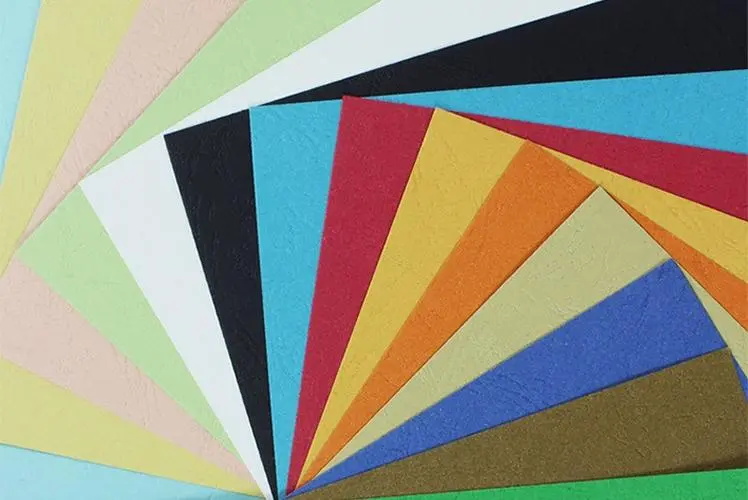
China’s packaging industry benefits from an extensive supply chain covering paper materials, printing equipment, surface finishing, die-cutting, box assembly, and logistics.
According to the China Packaging Federation, China’s packaging industry had 19,473 enterprises above the designated size in 2024, generating approximately RMB 2.069 trillion in operating revenue. Total packaging imports and exports reached US$49.498 billion, including US$42.406 billion in exports.
These figures cover the broader packaging industry rather than color box printing alone. However, they demonstrate the scale of China’s packaging manufacturing base and its role in international trade.
For overseas buyers, sourcing color boxes from China offers access to a wide selection of paper materials, printing technologies, finishing options, and customized packaging structures. The key is to select a manufacturer capable of matching these resources to the actual requirements of each project.
2. How Does China Color Box Printing Work?
Professional color box manufacturing involves several connected production stages. Each stage affects the final appearance, structural performance, production cost, and delivery schedule.
Step 1: Structural Design and Paper Material Selection
Before printing begins, the packaging structure must be evaluated according to the product’s dimensions, weight, transportation conditions, and intended use.
Common materials include:
- Folding box board (FBB): Suitable for cosmetics, consumer goods, electronics accessories, and retail packaging.
- Coated paper laminated to greyboard: Commonly used for rigid gift boxes that require greater thickness and a premium appearance.
- Corrugated board: Suitable for packaging that requires additional cushioning and transportation protection.
- Kraft paper: Often selected for its natural appearance and specific brand positioning.
Material selection should consider paper weight, thickness, stiffness, printability, converting performance, and cost.
For example, a cosmetic folding carton may prioritize fine graphics and premium finishing, while an electronics package intended for long-distance shipping may require greater structural strength and carefully designed internal protection.
Choosing heavier paper does not automatically produce better packaging. The material must be appropriate for the product and the intended application.
Step 2: Prepress Preparation and Color Approval
Prepress preparation is essential to achieving consistent printing results.
The production team typically reviews artwork files, such as Adobe Illustrator files and print-ready PDFs, to check dimensions, dielines, bleed areas, image resolution, text, folding positions, and finishing locations.
Two common color printing methods are used in China color box printing.
CMYK Four-Color Printing
CMYK combines cyan, magenta, yellow, and black to reproduce a wide range of colors. It is widely used for product photography, gradients, illustrations, and complex graphics.
Pantone Spot Color Printing
Pantone spot colors use specified ink formulations to reproduce designated colors. This method can be particularly useful for projects that require consistent brand colors.
However, colors displayed on a monitor, reproduced in a digital proof, and printed on actual paper may differ. Paper color, coatings, ink properties, printing conditions, and lighting can all influence the final appearance.
For brand-sensitive projects, buyers should approve a physical sample and confirm the actual paper stock and finishing method before mass production.
Step 3: Printing and In-Process Quality Control
Once the artwork and production specifications have been approved, the order moves into printing.
Offset printing is commonly used for high-quality folding cartons, particularly when detailed graphics and consistent color reproduction are required. Digital printing and other suitable methods may be selected according to order quantity, material, design complexity, and production requirements.
During production, operators and quality inspectors typically monitor:
- Print registration and alignment.
- Color consistency against the approved reference.
- Ink coverage, image clarity, and missing print.
- Surface defects, scratches, and unwanted marks.
- Correct text, barcodes, and product information.
For projects requiring strict brand color control, manufacturers may use approved color references, ink density measurements, or instrumental color difference measurements.
Acceptable color tolerances should be agreed upon according to the customer’s specifications, material, and measurement conditions. A single color difference value should not be promised for every project without appropriate validation.
Step 4: Surface Finishing, Die-Cutting, and Box Assembly
Printing is only one part of the manufacturing process. After printing, paper sheets may undergo several finishing and converting operations.
Common options include:
- Lamination: Matte or gloss film can change the appearance and improve certain surface durability properties.
- Varnishing: Provides a protective or decorative surface coating.
- Spot UV: Highlights selected areas, such as logos and product graphics.
- Foil stamping: Adds metallic or decorative accents.
- Embossing and debossing:Creates raised or recessed details for additional visual and tactile impact.
After finishing, the printed sheets are die-cut, creased, stripped of waste, folded, and glued as required by the box structure.
Quality checks at this stage focus on dimensional accuracy, crease positions, folding performance, glue strength, and structural stability.
For boxes with windows, complex locking mechanisms, or customized inserts, structural sampling and assembly testing before mass production can help reduce rework and manufacturing risks.
3. How Long Does China Color Box Printing Take?
Production lead time depends on order quantity, box structure, material availability, finishing requirements, sampling revisions, and the factory’s production schedule.
The following ranges are practical planning estimates rather than universal industry standards or guaranteed delivery times.
| Production Stage | Indicative Lead Time |
| Artwork review and prepress preparation | 1–3 working days |
| Standard digital or white sample | 3–7 working days |
| Standard color box mass production | 7–15 working days |
| Complex rigid boxes or multi-process projects | 15–30 working days or longer |
Actual lead times should be confirmed with the manufacturer. These estimates may exclude repeated artwork revisions, material procurement, public holidays, third-party testing, and international shipping.
A standard folding carton may be completed relatively quickly when materials are available, artwork is approved, and the production schedule permits. Projects involving foil stamping, spot UV, specialty paper, complex inserts, or multiple SKUs generally require additional coordination.
To receive a more accurate quotation and production schedule, buyers should provide the target quantity, box dimensions, material specifications, artwork, finishing requirements, and desired delivery date.
4. How to Reduce Color Box Printing Costs Without Compromising Quality
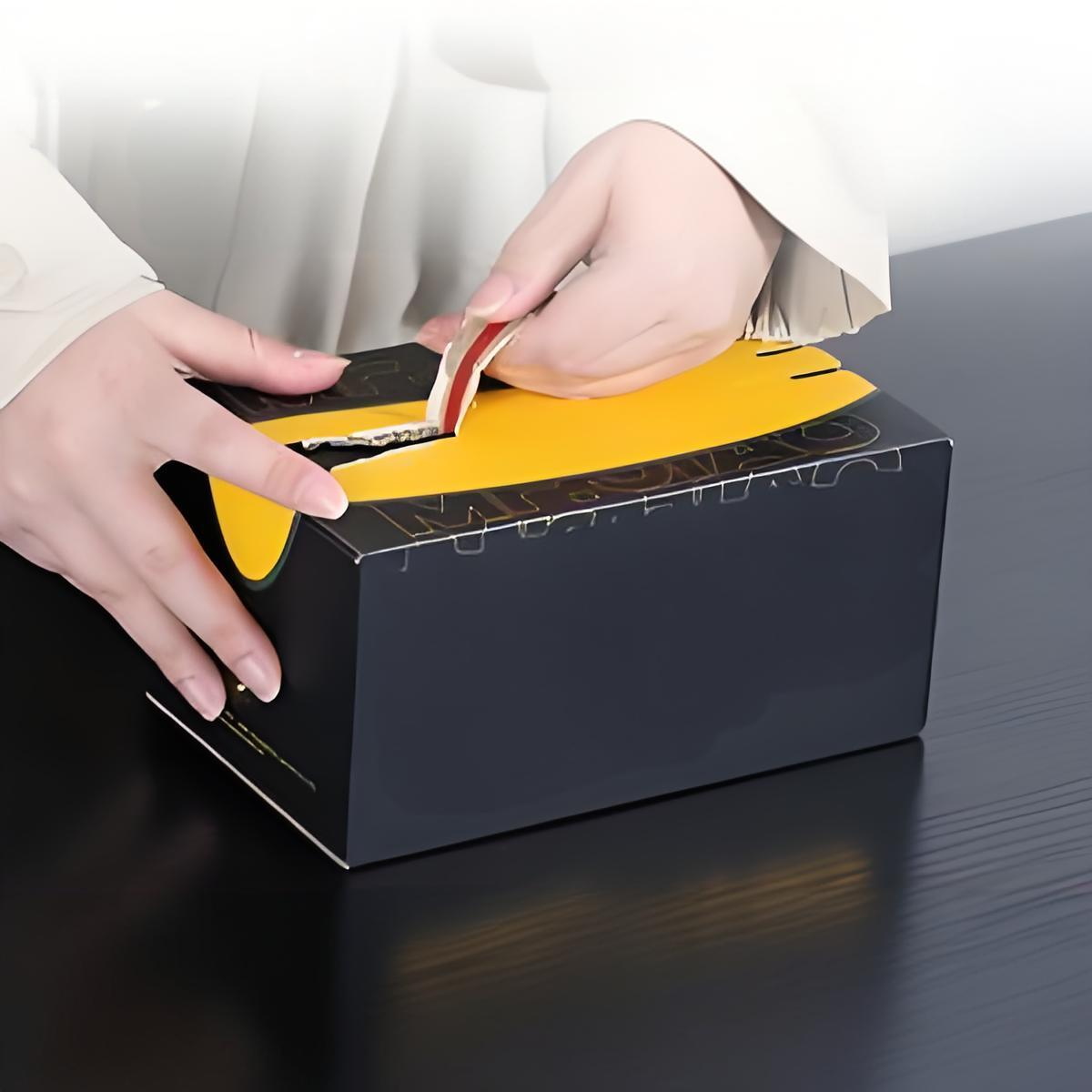
The total cost of packaging goes beyond the unit price. Sampling, transportation, storage, material waste, and potential quality issues can all affect the overall purchasing cost.
Several practical strategies can help optimize the budget.
Optimize the Packaging Structure
A well-designed box can provide adequate product protection while reducing unnecessary material usage. Structural optimization may also improve storage and shipping efficiency.
Select the Right Paper Specification
Heavier paper is not always necessary. Evaluating actual load requirements, folding performance, and transportation conditions can help identify a material that meets performance requirements without unnecessary cost.
Consolidate Compatible Orders
Products with similar materials, printing requirements, and finishing processes may offer opportunities for combined material purchasing or production planning. Different sizes, artwork versions, and finishing specifications may still require separate production arrangements.
Use Finishing Processes Strategically
Foil stamping, embossing, spot UV, and specialty laminations can enhance packaging appearance, but they also introduce additional materials, production steps, and quality checks.
Selecting finishing options according to brand positioning and product value helps balance visual impact and cost.
Approve Samples Before Mass Production
Confirming dimensions, colors, materials, and structural details before the full production run helps reduce the risk of expensive rework and rejected products.
The objective is not simply to use less expensive materials. Effective packaging design balances product protection, brand presentation, manufacturing efficiency, and total cost.
5. What Should Buyers Look for in a China Color Box Printing Manufacturer?
A reliable supplier needs more than printing equipment. It should also have the technical expertise and production management capabilities to execute customized packaging projects consistently.
When evaluating a China color box printing factory, buyers should consider the following factors.
Structural Development Capability
Can the manufacturer develop practical packaging structures based on product dimensions, weight, protection requirements, and retail presentation?
Material and Printing Expertise
Can the team explain the differences between paper grades, CMYK and Pantone printing, and available surface finishing options?
Sampling and Approval Procedures
Does the supplier support structural samples, print proofs, and pre-production samples when required?
Production Quality Control
Are inspections carried out during printing, finishing, die-cutting, folding, gluing, and final packing?
Lead Time and Communication
Can the supplier provide a realistic production schedule, identify critical approval milestones, and communicate potential delays?
Export Packaging Experience
Does the manufacturer understand shipping cartons, protective packing, palletization, carton labeling, and relevant export documentation requirements?
For brands seeking more sustainable packaging, buyers can also ask about paper sourcing documentation, recyclability, ink systems, and finishing materials. Environmental claims should be supported by the actual materials used, relevant certifications, and applicable market requirements.
Conclusion: Turning Color Box Printing into a Complete Packaging Solution
The value of China color box printing extends beyond reproducing graphics on paper. It lies in integrating material selection, structural engineering, printing, finishing, quality control, and delivery management into a dependable packaging solution.
For international brands, wholesalers, and procurement teams, selecting the right China color box printing partner means evaluating more than the quoted unit price. Product protection, visual consistency, manufacturing feasibility, quality management, and total purchasing cost all matter.
Jaystar Packaging specializes in customized paper packaging solutions and supports packaging development and production according to different structural, material, printing, and finishing requirements.
If you are sourcing custom color boxes for your products, share your product dimensions, target quantity, artwork, and expected delivery schedule. Our team can help evaluate suitable packaging structures, printing methods, and production options for your project.
Post time: Nov-26-2026


